


Showing posts with label Facts about India. Show all posts
Showing posts with label Facts about India. Show all posts
Expiry Date of LPG Gas Cylinder
Please communicate this information to your family and friends. Have U ever heard about LPG gas cylinder's expiry date....!!
Do you know that there is an expiry date (physical life) for LPG cylinders? Expired Cylinders are not safe for use and may cause accidents. In this regard, please be cautious at the time of accepting any LPG cylinder from the vendor.
Here is how we can check the expiry of LPG cylinders:
On one of three side stems of the cylinder, the expiry date is coded alpha numerically as follows A or B or C or D and some two digit number following this e.g. D06.
The alphabets stand for quarters -
1. A for March (First Quarter),
2. B for June (Second Quarter),
3. C for Sept (Third Quarter),
4. D for December (Fourth Quarter).
The digits stand for the year till it is valid. Hence D06 would mean December quarter of 2006.

Please Return Back the Cylinder that you get with a Expiry Date, they are prone to Leak and other Hazardous accidents.
The second example with D13 allows the cylinder to be in use until Dec 2013. Kindly pass this information to every one, and create awareness among the public.

Most Competitive Cities in India
Latest report has been founded on four pillars - the factor conditions, demand conditions, context for strategy and rivalry, and the quality of supporting and related industries.
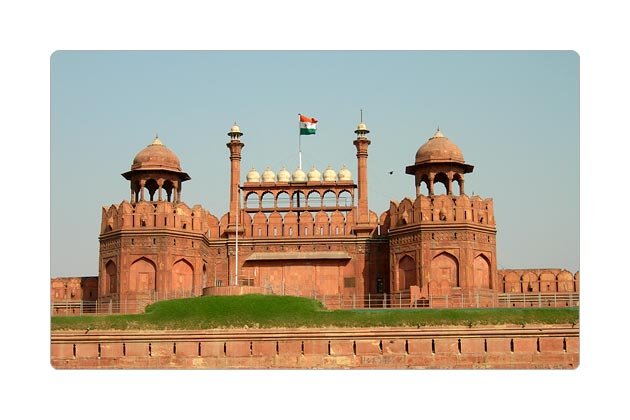
 India's capital, New Delhi (with a score of 69.732) has emerged the most competitive city in the country as per the India City Competitiveness Report-2012, compiled by the Institute for Competitiveness (IFC) that conducts studies in this area for use by businesses and governments.



Faridabad, with its high growth has drastically improved in its ranking and holds the 29th spot. Similarly Guwahati recorded a wide improvement in its position," says the report, unveiled Wednesday to coincide with Singapore Prime Minister Lee Hsien's visit here.

Mumbai (67.856) The fifth edition of the India City Competitiveness Report is based on a model that has been established by celebrated management guru, Michael E. Porter, Bishop William Lawrance University Professor, based at Harvard Business School.

Chennai (62.323) Regarding New Delhi, the report says the city has managed to demonstrate a phenomenal growth over a period of time by balancing demand and development in equal measure. The two areas it is found lagging in are administrative and institutional support.

Hyderabad (61.782) The report also says that Noida, another city with close proximity to New Delhi, is now giving tough competition to the metros, even as Pune and Ahmedabad, which had very high.

Kolkata (61.464) Among the smaller cities, while Coimbatore, Mysore, Madurai and Guwahati climbed up, Surat, Lucknow, Agra and Allahabad dropped in their rankings.
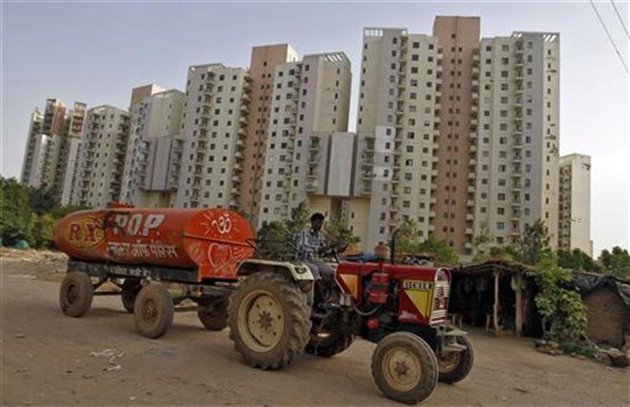
Gurgaon (61.167) "Undoubtedly, Indian cities have the required potential to make their mark across the globe. this is clearly evident with igh urbanization rate of these cities and by the trend of their growth," says the report. However, it is required that Indian cities work on their strong.

Bengaluru (61.100) Porter's model is founded on four pillars -- the factor conditions, demand conditions, context for strategy and rivalry, and the quality of supporting and related industries. These are further divided into 12 sub-pillars to give information on 50 top cities.

Noida (60.406) "Cities are drivers of any economy. Their growth will enhance the growth of states and eventually that of the country. In the past few years, they have risen from their age-old shells and proving their potential on the global front," says IFC chair Amit Kapoor.

Pune (59.854) When benchmarked globally, Indian cities have much to catch up. Delhi, which takes the top slot in the country, is benchmarked at 46.7 -- which is way below 71.4 for New York, 70.4 for London, 55.2 for Shanghai and 69.3 for Hong Kong.
A Pre-Nuptial Agreement
Three years earlier, when a Bangalore-based investment banker refused to marry as her boyfriend wanted to enter into a prenuptial contract. Six months before, when her marriage was being fixed with another person, he insisted on a prenuptial pact, too. With more working couples getting married, and both having accumulated a certain amount of wealth, the fear of losing the already-created and future wealth in case of a separation is driving most of them for such contracts.According to legal experts, as many as 20 per cent of marriages in metros have couples insisting there be some protection of their wealth before they say, 'I do'.
 This is more common among wealthy business families, as they want to demarcate the rights of the couples in terms of property.
"Yes, it has become common in India. But, mostly, people are just following the US norm blindly. What they don't understand is the fact that there is no such law in India,"
That is, a prenuptial agreement comes under the Contract Act. In case of a legal dispute, the Marriage Act would supersede it.
What is a Pre-Nuptial Agreement?
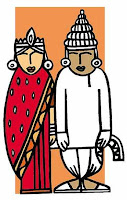 A prenuptial agreement is a contract that would-be marrying partners sign, laying out terms and conditions for distribution of financial assets, property, alimony or maintenance, monthly compensation and so on, in the event of a divorce.
A big advantage of a prenuptial pact is it forces couples to have that all-important financial discussion before marriage.
Issues that can be efficiently dealt with in a prenuptial pact range from divorce settlements and prevention of disputes, regarding joint accounts and custody issues of children after the dissolution of a marriage. Another important benefit is that the agreements offer protection from the spouse's debts, if any.
 How is it done?
For making a prenuptial contract, both partners need to set out all their assets and liabilities clearly on paper. They could also add the assets and debt they might create after marriage.
Then, they could discuss how all or joint assets and liabilities be divided if the marriage dissolves. Once the separation and share is mutually decided, both parties can sign and approve the same and maintain it. This will involve zero cost, unless the lawyer charges a fee.
If you want sanctity to it, the individuals could get it verified and signed by their own lawyers or together get it stamped and certified by a notary. Here, stamp duty will apply depending on the state you are in and a small fee for the notary.
In India?
In India, prenuptial agreements are not governed by the marriage laws, says Sandeep Nerlekar, managing director & chief executive officer (CEO), Warmond Trustees & Executives, as marriages here are not considered agreements.
However, under Section 10 of the Indian Contract Act, prenuptial agreements have as much sanctity as any other contract, oral or written.
Experts say, India has various laws governing marriages and so for a contract to hold good will be possible only under statutory provisions. Therefore, such contracts might not be binding in the Indian context.
For instance, if the wife says she will have no right over the husband's property, according to the Stamp Duty and Registration Act, for properties costing over Rs 100, she will have to file a relinquishment of property with the sub registrar only then can she not claim her share in the property later, explains Gupta.
Courts do take cognizance of a prenuptial agreement if both parties had agreed. For instance, if you take the marriage discord to court and request that assets be divided according to the contract you made, the court may agree.
Otherwise, divorce norms override prenuptial contracts, says Delhi-based lawyer P S Dhingra, consultant & CEO, Dhingra Group of Consultants.

Additionally, children born from such marriages have right over the father's assets even if the wife has agreed to not have any right over the husband's assets.
There are no cases as yet, say experts, where contracts have been upheld as there are cases where partners disagree to comply by the contract.
And, there are cases where women earn more than the men and still ask for compensation, which men do not agree to.

"Yes, it has become common in India. But, mostly, people are just following the US norm blindly. What they don't understand is the fact that there is no such law in India,"
That is, a prenuptial agreement comes under the Contract Act. In case of a legal dispute, the Marriage Act would supersede it.
What is a Pre-Nuptial Agreement?
 A prenuptial agreement is a contract that would-be marrying partners sign, laying out terms and conditions for distribution of financial assets, property, alimony or maintenance, monthly compensation and so on, in the event of a divorce.
A big advantage of a prenuptial pact is it forces couples to have that all-important financial discussion before marriage.
Issues that can be efficiently dealt with in a prenuptial pact range from divorce settlements and prevention of disputes, regarding joint accounts and custody issues of children after the dissolution of a marriage. Another important benefit is that the agreements offer protection from the spouse's debts, if any.

For making a prenuptial contract, both partners need to set out all their assets and liabilities clearly on paper. They could also add the assets and debt they might create after marriage.
Then, they could discuss how all or joint assets and liabilities be divided if the marriage dissolves. Once the separation and share is mutually decided, both parties can sign and approve the same and maintain it. This will involve zero cost, unless the lawyer charges a fee.
If you want sanctity to it, the individuals could get it verified and signed by their own lawyers or together get it stamped and certified by a notary. Here, stamp duty will apply depending on the state you are in and a small fee for the notary.
In India?
In India, prenuptial agreements are not governed by the marriage laws, says Sandeep Nerlekar, managing director & chief executive officer (CEO), Warmond Trustees & Executives, as marriages here are not considered agreements.
However, under Section 10 of the Indian Contract Act, prenuptial agreements have as much sanctity as any other contract, oral or written.
Experts say, India has various laws governing marriages and so for a contract to hold good will be possible only under statutory provisions. Therefore, such contracts might not be binding in the Indian context.
For instance, if the wife says she will have no right over the husband's property, according to the Stamp Duty and Registration Act, for properties costing over Rs 100, she will have to file a relinquishment of property with the sub registrar only then can she not claim her share in the property later, explains Gupta.
Courts do take cognizance of a prenuptial agreement if both parties had agreed. For instance, if you take the marriage discord to court and request that assets be divided according to the contract you made, the court may agree.
Otherwise, divorce norms override prenuptial contracts, says Delhi-based lawyer P S Dhingra, consultant & CEO, Dhingra Group of Consultants.

Additionally, children born from such marriages have right over the father's assets even if the wife has agreed to not have any right over the husband's assets.
There are no cases as yet, say experts, where contracts have been upheld as there are cases where partners disagree to comply by the contract.
And, there are cases where women earn more than the men and still ask for compensation, which men do not agree to.
Amarnath Yatra: Come and take the blessings of Lord Shiva

There is no clear cut information of the discovery of the cave. The credit of discovery goes to a shepherd (Gujar) Buta Malik, it is said that he was given a bag full of coal by a saint. When the shepherd opened to see in his house it was a bag full of gold. The happy shepherd went back to thank the saint but found a cave with a lingam inside it . Then onwards this place has become the sacred place of Pilgrimage .Another legend says that Kashyap a sage drained the lake of Kashmir and found the cave along with the lingam in it. Hindu mythology says that this Amarnath cave is the cave which was used by Lord Shiva to tell about the secret of life and eternity to Goddess Parvathi. He was looking for a secret isolated place to tell this "amar katha" to goddess Parvathi. So he selected this cave. And as a preparation he left his vehicle Nandi, the bull in Pahalgam (Bhail Gaow), released the moon at Chandanwari, snake at Lake Sheshnag, Lord Ganesh at Mahagunas parvat, five elements of life at Panjitarni. Finally he created Rudra (Kalagni) and ordered him to set afire and eliminate every living thing in and around the holy cave. Then Lord Shiva took Parvathi Goddess inside the cave to tell the amar katha. It is a popular pilgrimage destination for Hindus - about 400,000 people visit during the 45-day season around the festival of Shravani Mela in July-August, coinciding with the Hindu holy month of Shravan. The Shivlingam has melted owing to the rise in temperatures. It is a normal phenomenon; weather affects its shape and size”The other ice lingams had not completely melted. Many environmentalists blamed global warming for the The Amarnath caves are one of the most famous shrines in Hinduism, dedicated to the god Shiva, located in the Indian state of Jammu and Kashmir. The shrine is claimed to be over 5,000 years old and forms an important part of ancient Hindu mythology. Inside the main Amarnath cave lies an ice stalagmite resembling the Shiva Linga, which waxes during May to August and gradually wanes thereafter. This lingam is said to grow and shrink with the phases of the moon, reaching its height during the summer festival. According to Hindu mythology, this is the cave where Shiva explained the secret of life and eternity to his divine consort Parvati. There are two other ice formations representing Parvati and Shiva's son, Ganesha.
Safeties to be taken in Amarnath
 There is more cool that’s why carry caps, glosses, jerkins, socks etc. compulsory. We feel un comfortable with less oxygen. Take some suggested items such as Halls, Vicks, Torch light or candle, match box etc. The climatic conditions are very uncertain. Rain or snowfall may take place at any time or place during the Amarnath Yatra. It is to be particularly noted that abrupt changes in temperature might occur. Sunny weather may turn into rain / snow fall in a short time . The temperature may fall up to -5° C.
Importance of Amarnath Temple
Amarnath cave temple is dedicated to Lord Shiva. An enshrined image of ice naturally formed in a cylindrical form which resembles Lord Shiva-Linga, begins to take its shape on the first day of the bright half of the month and reaches its full size on the full moon day (Poornima). After getting its fullest shape, it begins to wane and disappear on the new moon day. According to the tradition, the largest ice formation is considered as Lord Shiva Linga, one on the left side of the linga is an ice formation of Lord Ganesha, and on the right are formations of Parvati and Bhairava. The Amarnath temple is around 46 kms from Pahalgam in Jammu and Kashmir and 4500mtrs above the sea level. The time of pilgrimage to this holy shrine is between July and August. The guard of the absolute, lord Shiva, the destroyer, is present in the form of ice Lingam in this cave located at a more remote end of the valley of Lidder. This lingam is made naturally of a stalagmite of ice which awakes and weakens with the moon. There is no clear cut information of the discovery of the cave. The credit of discovery goes to a shepherd (Gujar) Buta Malik, it is said that he was given a bag full of coal by a saint. When the shepherd opened to see in his house it was a bag full of gold. The happy shepherd went back to thank the saint but found a cave with a lingam inside it . Then onwards this place has become the sacred place of Pilgrimage .Another legend says that Kashyap a sage drained the lake of Kashmir and found the cave along with the lingam in it. Hindu mythology says that this Amarnath cave is the cave which was used by Lord Shiva to tell about the secret of life and eternity to Goddess Parvathi. He was looking for a secret isolated place to tell this "amar katha" to goddess Parvathi. So he selected this cave. And as a preparation he left his vehicle Nandi, the bull in Pahalgam (Bhail Gaow), released the moon at Chandanwari, snake at Lake Sheshnag, Lord Ganesh at Mahagunas parvat, five elements of life at Panjitarni. Finally he createdRudra (Kalagni) and ordered him to set afire and eliminate every living thing in and around the holy cave. Then Lord Shiva took Parvathi Goddess inside the cave to tell the amar katha. It is a popular pilgrimage destination for Hindus - about 400,000 people visit during the 45-day season around the festival of Shravani Mela in July-August, coinciding with the Hindu holy month ofShravan. The Shivlingam has melted owing to the rise in temperatures. It is a normal phenomenon; weather affects its shape and size”The other ice lingams had not completely melted. Many environmentalists blamed global warming for the The Amarnath caves are one of the most famous shrines in Hinduism, dedicated to the god Shiva, located in the Indian state of Jammu and Kashmir. The shrine is claimed to be over 5,000 years old and forms an important part of ancient Hindu mythology. Inside the main Amarnath cave lies an ice stalagmite resembling the Shiva Linga, which waxes during May to August and gradually wanes thereafter. This lingam is said to grow and shrink with the phases of the moon, reaching its height during the summer festival. According to Hindu mythology, this is the cave where Shiva explained the secret of life and eternity to his divine consort Parvati. There are two other ice formations representing Parvati and Shiva's son, Ganesha. The cave is situated at an altitude of 3,888 m (12,760 ft), about 141 km (88 mi) from Srinagar, the capital of Jammu and Kashmir. The Central Reserve Police Force, Indian Army and Indian Paramilitary Forces maintain a strong presence in the region due to concerns of security and hence prior permission is needed from the Government of India before making a pilgrimage (Note: as of June 2009, no permit was necessary to go to the cave, even for foreigners. The story narrated by people about the discovery of this Holy Cave is of a shepherd Buta Malik. He is given the credit of discovering this Holy Cave. Story goes like this, that a saint gave Buta Malik a bag full of Coal. On reaching his home when he opened the bag , to his utter surprise the bag was full of gold coins. This made him overwhelmed with joy. He ran to thank the Saint. But, what he found was that the Saint had disappeared. Instead, he found The Holy Cave and Shiv Lingam there in. He announced the discovery of this to the Villagers. Then onwards this has become the sacred place of Pilgrimage. The ancient epics narrate an other story which goes like this. The valley of Kashmir was under water. It was a big lake. Kashyap Rishi drained the water through number of rivers and rivulets. In those days Bhrigu Rishi came that way on a visit to The Himalyas. He was the first to have Darshans of this Holy Cave. When people heard of the Lingam, Amarnath for them became Shiva's abode and a Centre of pilgrimage. Since then Lacs of devotees perform the pilgrimage through tough terrain and avail eternal happiness. The trek to Amarnath, in the month of sharavan (July August) has the devout flock to this incredible shrine, where the image of Shiva, in the form of a Lingam, is formed naturally of an Ice Stalagmite, which waxes and wanes with the Moon's cycle. By its side are fascinating, two more Ice Lingams, that of Maa Parvati and of their son, Ganesha.
The annual Amarnath pilgrimage in Jammu and Kashmir kicked off on Thursday with over 15,000 pilgrims beginning the climb to the cave shrine dedicated to the Hindu god Shiva.
The cave shrine has a natural ice stalagmite that is worshipped as a Shiv Lingam, a symbol of Lord Shiva.
 'More than 7,000 yatris began their uphill 14-km trek at 8 am on Thursday from Baltal to the cave. Another batch of 1,100 yatris has also left the Manigam transit camp for Baltal,' a senior police officer said.
'All the pilgrims are safe. Adequate arrangements of security have been made at Baltal, Manigam and all along the yatra route,' he added.
 Another batch of 8,000 pilgrims left the Nunwan base camp in Pahalgam town for Chandanwari, the first of the four stopovers in the 35-km trek from Pahalgam to the cave shrine, located at a height of 13,500 feet.
Hari Prasad, 49, a resident of Haryana who left the Manigam transit camp for Baltal, said: 'We shall pray for peace in Kashmir and the rest of the country when we reach the holy cave.'
'This is the land of saints and 'rishis' (sages) besides being the abode of Lord Shiva. The people here are nice and hospitable. This is my third yatra and I know the locals have always helped the yatris in times of emergency,' he added.

Extraordinary security arrangements have been made for the pilgrimage this year .
Around 3,000 Border Security Force (BSF) troopers reached south Kashmir's Anantnag district Wednesday to provide security to the devotees.
Around 3,000 Border Security Force (BSF) troopers reached south Kashmir's Anantnag district Wednesday to provide security to the devotees.
 While 1.5 lakh pilgrims have registered themselves so far, it is expected that the number of pilgrims will cross the half-million mark this year.
The nearly two-month-long Amarnath Yatra (pilgrimage) ends August 25.

India's most spectacular Highways

An oldie, but a goldie nonetheless. When the Expressway was first thrown open to the public, we were all stunned here was India's first truly world-class express highway. No small engineering feat, the road made the trip from Mumbai to Pune an absolute breeze (although these days, it's not uncommon to encounter huge jams due to landslides or broken-down trucks).
It has it all long straights on which you can let your car loose (two-wheelers are only allowed on a limited stretch), sweeping bends and tight ghat sections where you can have some serious fun. For best results, head out really early, to beat the traffic, and try and get hold of a convertible sportscar! There are enough rest, food and fuel stops along the way (the potato vada at Kamat's restaurant in Khandala is highly recommended), and you'll arrive at your destination with a smile on your face.

A slightly off-beat road, to be sure, but a great one nonetheless. Hassan is a fairly large 'small' town about 130 km from Bangalore, and the drive there is itself rather good fun. From Hassan, there's an inside road that leads to the twin temple sites of Belur and Halebid, and it's a truly wonderful drive.
There's hardly any traffic on it, and the surface is smooth, with lots of twists and turns to keep things interesting. You're likely to get lost, because there aren't many signboards along the way, but when the road is that good, who cares? At the end of the drive, you'll have the architectural marvels in Belur and Halebid to keep you company. For more driving pleasure, continue from Halebid to the temple town of Dharmasthala, which also has a fantastic vintage car museum.

We'll be honest -- the small town of Bhiwandi, on the outskirts of Thane, near Mumbai, is the sort of place to which you would 'send your mother-in-law on holiday', to paraphrase the immortal words of Sir Ian Botham. It's dusty, grimy, full of godowns and, well, not much else but the highway from there all the way to Nashik, India's wine-capital, is fantastic. The surface has recently been re-done, adding to its allure, and with a fast, nimble car or bike, there is a great deal of fun to be had.
You have long straights combined with sweeping corners, and a really nice one-way ghat section lets you attack the tight corners with gusto. Once in Nashik, wind down with a chilled glass of Chardonnay.

The joke is that most Gujaratis won't use this express highway because they have to pay a toll. Even if that's true, it's a good thing because you have more of the road to yourself -- and it's a great road. Approximately 90 km in length, it's not exactly a world-tour, but with its smooth surface and arrow-straight nature, you can go very fast on it
It's not unheard of for the distance to be covered in considerably less than an hour, to give you an idea. Enjoy it, but with caution!

If you like hair-pin bends, prepare to be transported to heaven -- the Kalhatty ghat has 36 of them, squeezed into a mere 20 km. Setting out from the small town of Masinagudi, inside the Mudumalai wildlife sanctuary in Tamil Nadu, the road is narrow, but smooth, allowing for spirited driving, with the forest on either side.
The ghat section begins normally enough, but rapidly becomes extremely steep, and you need to be a skilled driver to not burn your clutch on the hair-pins. Buses going over the side are quite common drive with care. Once you reach Ooty, stretch out and relax in the still-pleasant hill station.

This one's slightly unusual, in that you can't actually drive on the road by yourself. The only people allowed to drive are those that own and drive the vintage Land Rovers, which ferry people to and from the village of Sandakphu, 12,000 feet up in the clouds. Maneybhanjang is near Darjeeling, and the trip from there to Sandakphu is one you won't forget in a hurry, it takes close to eight hours to drive a mere 35 km, over a terrifyingly steep, broken road that criss-crosses India and Nepal.
The views are breathtaking, though, none more so than from Sandakphu, from where you can see four of the five highest mountain peaks in the world. The route is also a paradise for trekkers.

If you're in Kaziranga, one of the loveliest national parks in the world, you can consider yourself lucky to begin with. Get hold of a sturdy car, preferably a four-wheel driven SUV, and point its nose in the direction of Tawang in Arunachal Pradesh -- this will round off the experience in no small measure. It's a two-day drive, and you'll have to break journey in a place en route, you'll cross the lovely Orchidarium near Bhalukpong.Dirang to Tawang is where it starts to get really interesting -- on the way to the snow-bound Sela Pass at 14,000 feet, you'll drive up a perilously narrow road with huge drops on either side, with black ice on it. Once through the pass, you drop back down to Tawang, at 10,000 feet, and its beautiful, 400-year old Galden Namgyal Lhatse monastery. From Tawang, there's another fabulous drive to Zemithang, on the border with Tibet the current Dalai Lama came through here when he fled to India.

All right, so this road hasn't even been formally thrown open for public use as yet and, given the political machinations in Uttar Pradesh, it could be a while before that happens. Those lucky enough to have got sneak previews say that it's manna from heaven for drivers smooth, wide and pedal-to-the-metal throughout.
Apart from its practical considerations (vastly reducing the driving time from Delhi to Agra), the road is bound to see plenty of exotic machinery being blasted up and down. You can too get a sneak preview, if you know right people.

A true test of grit and character this route is the stuff of legend, and if you haven't done it at least once, you cannot claim to be a true road-tripper. Plans are apparently afoot to construct a proper highway, which will ruin the experience, so get there quick.
Taking along a bike is the best way to fully experience the mind-boggling landscapes (and near-moonscapes) that you'll come across, and you'll have to be prepared for all manner of hardships -- breakdowns in the middle of nowhere, freezing temperatures, rain, landslides and mountain sickness, to name but a few. Once you enter the town of Leh, though, the sense of achievement you'll feel will be worth it. The other route, from Srinagar to Leh via Kargil, is just as spectacular!

This is another classic road. A lot of people driving to Goa now take the Mumbai-Pune-Kolhapur-Sawantwadi route, which is longer, better surfaced but a bit boring; NH17 still has more character. It's best done during the monsoon, when the surroundings are an impossible shade of green. The road is a dual carriageway, so overtaking must be done with care, but the right car or bike in the right hands will provide plenty of thrills.
Any number of roadside eateries will keep you refreshed, and for a bit of added adventure, you can veer off NH17 into one of the smaller roads, which tend to be great to drive on as well. Or you can drive straight down to where the road ends -- Kanyakumari
PAN Number Explained

PAN is a 10 digit alpha numeric number, where the first 5 characters are letters, the next 4 numbers and the last one a letter again. These 10 characters can be divided in five parts as can be seen below. The meaning of each number has been explained further.
1. First three characters are alphabetic series running from AAA to ZZZ
2. Fourth character of PAN represents the status of the PAN holder.
• C — Company
• P — Person
• H — HUF (Hindu Undivided Family)
• F — Firm
• A — Association of Persons (AOP)
• T — AOP (Trust)
• B — Body of Individuals (BOI)
• L — Local Authority
• J — Artificial Juridical Person
• G — Government
3. Fifth character represents first character of the PAN holder’s last name/surname.
4. Next four characters are sequential number running from 0001 to 9999.
5. Last character in the PAN is an alphabetic check digit.
Nowadays, the DOI (Date of Issue) of PAN card is mentioned at the right (vertical) hand side of the photo on the PAN card.
1. First three characters are alphabetic series running from AAA to ZZZ
2. Fourth character of PAN represents the status of the PAN holder.
• C — Company
• P — Person
• H — HUF (Hindu Undivided Family)
• F — Firm
• A — Association of Persons (AOP)
• T — AOP (Trust)
• B — Body of Individuals (BOI)
• L — Local Authority
• J — Artificial Juridical Person
• G — Government
3. Fifth character represents first character of the PAN holder’s last name/surname.
4. Next four characters are sequential number running from 0001 to 9999.
5. Last character in the PAN is an alphabetic check digit.
Nowadays, the DOI (Date of Issue) of PAN card is mentioned at the right (vertical) hand side of the photo on the PAN card.
Indian Government Services Online
All Indian government office related links are available... . Kindly save it......
Obtain :
* Birth Certificate
http://www.india.gov.in/howdo/howdoi.php?service=1* Caste Certificate
http://www.india.gov.in/howdo/howdoi.php?service=4* Tribe Certificate
http://www.india.gov.in/howdo/otherservice_details.php?service=8* Domicile Certificate
http://www.india.gov.in/howdo/howdoi.php?service=5* Driving Licence
http://www.india.gov.in/howdo/howdoi.php?service=6* Marriage Certificate
http://www.india.gov.in/howdo/howdoi.php?service=3* Death Certificate
http://www.india.gov.in/howdo/howdoi.php?service=2* Search More - How do I
http://www.india.gov.in/howdo/advancedsearch.phpApply for :
* PAN Card
http://www.india.gov.in/howdo/otherservice_details.php?service=15* TAN Card
http://www.india.gov.in/howdo/otherservice_details.php?service=3* Ration Card
http://www.india.gov.in/howdo/howdoi.php?service=7* Passport
http://www.india.gov.in/howdo/otherservice_details.php?service=2* Inclusion of name in the Electoral Rolls
http://www.india.gov.in/howdo/howdoi.php?service=10* Search More - How do I
http://www.india.gov.in/howdo/advancedsearch.phpRegister :
* Land/Property
http://www.india.gov.in/howdo/howdoi.php?service=9* Vehicle
http://www.india.gov.in/howdo/howdoi.php?service=13* With State Employment Exchange
http://www.india.gov.in/howdo/howdoi.php?service=12* As Employer
http://www.india.gov.in/howdo/otherservice_details.php?service=17* Company
http://www.india.gov.in/howdo/otherservice_details.php?service=19* .IN Domain
http://www.india.gov.in/howdo/otherservice_details.php?service=18* GOV.IN Domain
http://www.india.gov.in/howdo/otherservice_details.php?service=25* Search More - How do I
http://www.india.gov.in/howdo/advancedsearch.phpCheck/Track:
* Waiting list status for Central Government Housing
http://www.india.gov.in/howdo/otherservice_details.php?service=9* Status of Stolen Vehicles
http://www.india.gov.in/howdo/otherservice_details.php?service=1* Land Records
http://www.india.gov.in/landrecords/index.php* Causelist of Indian Courts
http://www.india.gov.in/howdo/otherservice_details.php?service=7
* Court Judgements (JUDIS )
http://www.india.gov.in/howdo/otherservice_details.php?service=24* Daily Court Orders/Case Status <
Code:
http://www.india.gov.in/howdo/otherservice_details.php?service=21* Acts of Indian Parliament
http://www.india.gov.in/howdo/otherservice_details.php?service=13* Exam Results
http://www.india.gov.in/howdo/otherservice_details.php?service=16* Speed Post Status
http://www.india.gov.in/howdo/otherservice_details.php?service=10* Agricultural Market Prices Online
http://www.india.gov.in/howdo/otherservice_details.php?service=6* Search More - How do I
http://www.india.gov.in/howdo/advancedsearch.phpBook/File/Lodge:
* Train Tickets Online
http://www.india.gov.in/howdo/otherservice_details.php?service=5* Air Tickets Online
http://www.india.gov..in/howdo/otherservice_details.php?service=4* Income Tax Returns
http://www.india.gov.in/howdo/otherservice_details.php?service=12* Complaint with Central Vigilance Commission (CVC)
http://www.india.gov.in/howdo/otherservice_details.php?service=14* Search More - How do I
http://www.india.gov.in/howdo/advancedsearch.phpContribute to :
* Prime Minister's Relief Fund
http://www.india.gov.in/howdo/otherservice_details.php?service=11* Search More - How do I
http://www.india.gov.in/howdo/advancedsearch.phpOthers :
* Send Letters Electronically
http://www.india.gov.in/howdo/otherservice_details.php?service=20* Search More - How do I
http://www.india.gov.in/howdo/advancedsearch.phpRecently Added Online Services
* Tamil Nadu: Online application of marriage certificate for persons having registered their marriages
http://www.india.gov.in/howdo/onlineservice_detail.php?service=2691* Tamil Nadu: Online District wise soil Details of Tamil Nadu
http://www.india.gov.in/howdo/onlineservice_detail.php?service=2693* Tamil Nadu: View Water shed Atlas of Tamil Nadu
http://www.india.gov.in/howdo/onlineservice_detail.php?service=2694* Tamil Nadu: E-Pension District Treasury Tirunelveli
http://www.india.gov.in/howdo/onlineservice_detail.php?service=2695* Meghalaya: Search Electoral Roll Online by Name (2008)
http://www.india.gov.in/howdo/onlineservice_detail.php?service=2697* Meghalaya: Search Electoral Roll Online by EPIC number (2008)
http://www.india.gov.in/howdo/onlineservice_detail.php?service=2698* Meghalaya: Search Electoral Roll Online by House number (2008)
http://www.india.gov.in/howdo/onlineservice_detail.php?service=2699* Himachal Pradesh: Revised Pay and Arrears Calculator-Fifth Pay
http://www.india.gov.in/howdo/onlineservice_detail.php?service=2702* Meghalaya: Search Electoral Roll Online by Part number (2008)
http://www.india.gov.in/howdo/onlineservice_detail.php?service=2700* Andhra Pradesh: Online Motor Driving School Information
http://www.india.gov.in/howdo/onlineservice_detail.php?service=2705Global Navigation
* Citizens
http://www.india.gov.in/citizen.php* Business (External website that opens in a new window)
http://business.gov.in/* Overseas
http://www.india.gov.in/overseas.php* Government
http://www.india.gov.in/govt.php* Know India
http://www.india.gov.in/knowindia.php* Sectors
http://www.india.gov.in/sector.php* Directories
http://www.india.gov.in/directories.php* Documents
http://www.india.gov.in/documents.php* Forms
http://www.india.gov.in/forms/forms.php* Acts
http://www.india.gov.in/govt/acts.php* Rules
http://www.india.gov.in/govt/rules.php* Schemes
http://www.india.gov.in/govt/schemes.php* Tenders
http://www.india.gov.in/tenders.php* Home
http://www.india.gov.in/default.php* About the Portal
http://www.india.gov.in/abouttheportal.php* Site Map
http://www.india.gov.in/sitemap.php* Link to Us
http://www.india.gov.in/linktous.php* Suggest to a Friend
http://www.india.gov.in/suggest/suggest.php* Help
http://www.india.gov.in/help.php* Terms of Use
http://www.india.gov.in/termscondtions.php* Feedback
http://www.india.gov.in/feedback.php* Contact Us
http://www.india.gov.in/contactus.php* Accessibility Statement
http://www.india.gov.in/accessibilitystatement.php
Obtain :
* Birth Certificate
http://www.india.gov.in/howdo/howdoi.php?service=1* Caste Certificate
http://www.india.gov.in/howdo/howdoi.php?service=4* Tribe Certificate
http://www.india.gov.in/howdo/otherservice_details.php?service=8* Domicile Certificate
http://www.india.gov.in/howdo/howdoi.php?service=5* Driving Licence
http://www.india.gov.in/howdo/howdoi.php?service=6* Marriage Certificate
http://www.india.gov.in/howdo/howdoi.php?service=3* Death Certificate
http://www.india.gov.in/howdo/howdoi.php?service=2* Search More - How do I
http://www.india.gov.in/howdo/advancedsearch.phpApply for :
* PAN Card
http://www.india.gov.in/howdo/otherservice_details.php?service=15* TAN Card
http://www.india.gov.in/howdo/otherservice_details.php?service=3* Ration Card
http://www.india.gov.in/howdo/howdoi.php?service=7* Passport
http://www.india.gov.in/howdo/otherservice_details.php?service=2* Inclusion of name in the Electoral Rolls
http://www.india.gov.in/howdo/howdoi.php?service=10* Search More - How do I
http://www.india.gov.in/howdo/advancedsearch.phpRegister :
* Land/Property
http://www.india.gov.in/howdo/howdoi.php?service=9* Vehicle
http://www.india.gov.in/howdo/howdoi.php?service=13* With State Employment Exchange
http://www.india.gov.in/howdo/howdoi.php?service=12* As Employer
http://www.india.gov.in/howdo/otherservice_details.php?service=17* Company
http://www.india.gov.in/howdo/otherservice_details.php?service=19* .IN Domain
http://www.india.gov.in/howdo/otherservice_details.php?service=18* GOV.IN Domain
http://www.india.gov.in/howdo/otherservice_details.php?service=25* Search More - How do I
http://www.india.gov.in/howdo/advancedsearch.phpCheck/Track:
* Waiting list status for Central Government Housing
http://www.india.gov.in/howdo/otherservice_details.php?service=9* Status of Stolen Vehicles
http://www.india.gov.in/howdo/otherservice_details.php?service=1* Land Records
http://www.india.gov.in/landrecords/index.php* Causelist of Indian Courts
http://www.india.gov.in/howdo/otherservice_details.php?service=7
* Court Judgements (JUDIS )
http://www.india.gov.in/howdo/otherservice_details.php?service=24* Daily Court Orders/Case Status <
Code:
http://www.india.gov.in/howdo/otherservice_details.php?service=21* Acts of Indian Parliament
http://www.india.gov.in/howdo/otherservice_details.php?service=13* Exam Results
http://www.india.gov.in/howdo/otherservice_details.php?service=16* Speed Post Status
http://www.india.gov.in/howdo/otherservice_details.php?service=10* Agricultural Market Prices Online
http://www.india.gov.in/howdo/otherservice_details.php?service=6* Search More - How do I
http://www.india.gov.in/howdo/advancedsearch.phpBook/File/Lodge:
* Train Tickets Online
http://www.india.gov.in/howdo/otherservice_details.php?service=5* Air Tickets Online
http://www.india.gov..in/howdo/otherservice_details.php?service=4* Income Tax Returns
http://www.india.gov.in/howdo/otherservice_details.php?service=12* Complaint with Central Vigilance Commission (CVC)
http://www.india.gov.in/howdo/otherservice_details.php?service=14* Search More - How do I
http://www.india.gov.in/howdo/advancedsearch.phpContribute to :
* Prime Minister's Relief Fund
http://www.india.gov.in/howdo/otherservice_details.php?service=11* Search More - How do I
http://www.india.gov.in/howdo/advancedsearch.phpOthers :
* Send Letters Electronically
http://www.india.gov.in/howdo/otherservice_details.php?service=20* Search More - How do I
http://www.india.gov.in/howdo/advancedsearch.phpRecently Added Online Services
* Tamil Nadu: Online application of marriage certificate for persons having registered their marriages
http://www.india.gov.in/howdo/onlineservice_detail.php?service=2691* Tamil Nadu: Online District wise soil Details of Tamil Nadu
http://www.india.gov.in/howdo/onlineservice_detail.php?service=2693* Tamil Nadu: View Water shed Atlas of Tamil Nadu
http://www.india.gov.in/howdo/onlineservice_detail.php?service=2694* Tamil Nadu: E-Pension District Treasury Tirunelveli
http://www.india.gov.in/howdo/onlineservice_detail.php?service=2695* Meghalaya: Search Electoral Roll Online by Name (2008)
http://www.india.gov.in/howdo/onlineservice_detail.php?service=2697* Meghalaya: Search Electoral Roll Online by EPIC number (2008)
http://www.india.gov.in/howdo/onlineservice_detail.php?service=2698* Meghalaya: Search Electoral Roll Online by House number (2008)
http://www.india.gov.in/howdo/onlineservice_detail.php?service=2699* Himachal Pradesh: Revised Pay and Arrears Calculator-Fifth Pay
http://www.india.gov.in/howdo/onlineservice_detail.php?service=2702* Meghalaya: Search Electoral Roll Online by Part number (2008)
http://www.india.gov.in/howdo/onlineservice_detail.php?service=2700* Andhra Pradesh: Online Motor Driving School Information
http://www.india.gov.in/howdo/onlineservice_detail.php?service=2705Global Navigation
* Citizens
http://www.india.gov.in/citizen.php* Business (External website that opens in a new window)
http://business.gov.in/* Overseas
http://www.india.gov.in/overseas.php* Government
http://www.india.gov.in/govt.php* Know India
http://www.india.gov.in/knowindia.php* Sectors
http://www.india.gov.in/sector.php* Directories
http://www.india.gov.in/directories.php* Documents
http://www.india.gov.in/documents.php* Forms
http://www.india.gov.in/forms/forms.php* Acts
http://www.india.gov.in/govt/acts.php* Rules
http://www.india.gov.in/govt/rules.php* Schemes
http://www.india.gov.in/govt/schemes.php* Tenders
http://www.india.gov.in/tenders.php* Home
http://www.india.gov.in/default.php* About the Portal
http://www.india.gov.in/abouttheportal.php* Site Map
http://www.india.gov.in/sitemap.php* Link to Us
http://www.india.gov.in/linktous.php* Suggest to a Friend
http://www.india.gov.in/suggest/suggest.php* Help
http://www.india.gov.in/help.php* Terms of Use
http://www.india.gov.in/termscondtions.php* Feedback
http://www.india.gov.in/feedback.php* Contact Us
http://www.india.gov.in/contactus.php* Accessibility Statement
http://www.india.gov.in/accessibilitystatement.php
Indian Railway Recruitment Board Websites
Ahmedabad -www.rrbadi.org
Ajmer -
www.rrbajmer.org
Allahabad -
www.rrbald.nic.in
Bengaluru -
www.rrbbnc.gov.in
Bhopal -
www.rrbbpl.nic.in
Bhubaneswar -
www.rrbbbs.org
Chandigarh -
www.rrbcdg.gov.in/
Chennai -
www.rrbchennai.net
Gorakhpur -
www.rrbgkp.gov.in
Guwahati -
www.rrbguwahati.gov.in
Jammu-Kashmir -
www.rrbjammu.nic.in
Kolkata -
www.rrbkolkata.org
Malda -
www.rrbmalda.gov.in
Mumbai -
www.rrbmumbai.gov.in
Muzaffarpur -
http://rrbmuzaffarpur.bih.nic.in/
Patna -
www.rrbpatna.gov.in
Ranchi -
www.rrbranchi.org
Secunderabad -
www.rrbsec.org
Thiruvananthapuram -
www.rrbthiruvananthapuram.net
Ajmer -
www.rrbajmer.org
Allahabad -
www.rrbald.nic.in
Bengaluru -
www.rrbbnc.gov.in
Bhopal -
www.rrbbpl.nic.in
Bhubaneswar -
www.rrbbbs.org
Chandigarh -
www.rrbcdg.gov.in/
Chennai -
www.rrbchennai.net
Gorakhpur -
www.rrbgkp.gov.in
Guwahati -
www.rrbguwahati.gov.in
Jammu-Kashmir -
www.rrbjammu.nic.in
Kolkata -
www.rrbkolkata.org
Malda -
www.rrbmalda.gov.in
Mumbai -
www.rrbmumbai.gov.in
Muzaffarpur -
http://rrbmuzaffarpur.bih.nic.in/
Patna -
www.rrbpatna.gov.in
Ranchi -
www.rrbranchi.org
Secunderabad -
www.rrbsec.org
Thiruvananthapuram -
www.rrbthiruvananthapuram.net
Types of coins in India
Coins in India are mainly produced in four cities :1. Mumbai
2. Delhi
3. kolkata
4. Hyderabad
The production of Indian Coins in city puts an identification mark under the year of issue.
Indian Coins produced in :
Mumbai - Have a diamond
Delhi - Have a dot
Kolkata - Nothing beneath the year
Hyderabad - Have a star
(white arrows shows the identification mark )

2. Delhi
3. kolkata
4. Hyderabad
The production of Indian Coins in city puts an identification mark under the year of issue.
Indian Coins produced in :
Mumbai - Have a diamond
Delhi - Have a dot
Kolkata - Nothing beneath the year
Hyderabad - Have a star
(white arrows shows the identification mark )
Gangotri – Char Dham
Gangotri (Hindi: गंगोत्री) is a town and a Nagar Panchayat in Uttarkashi district in the state of Uttarakhand, India. It is a Hindu pilgrim town on the banks of the river Bhagirathi. It is on the Greater Himalayan Range, at a height of 3,042 m. The picturesque pilgrimage in the hinterlands of the Himalayas is the most sacred spot where Ganga , the stream of life, touched earth for the first time.According to mythology, Goddess Ganga – the daughter of heaven, manifested herself in the form of a river to absolve the sins of King Bhagirath’s predecessors, following his severe penance of several centuries. Lord Shiva received her into his matted locks to minimise the immense impact of her fall. She came to be called Bhagirathi at her legendary source.


Mythological Relation
According to Hindu mythology, Goddess Ganga – the daughter of heaven, took the form of a river to absolve the sins of King Bhagirath’s predecessors, following his severe penance of several centuries. Lord Shiva received Ganga into his matted locks to minimize the impact of her fall.
According to this legend, King Sagar, after slaying the demons on earth decided to stage in Ashwamegh Yagya as a proclamation of his supremacy. The horse which was to be taken on an uninterrupted journey around the earth was to be accompanied by the King’s 60,000 sons born to Queen Sumati and one son Asmanjas born of the second queen Kesani. Indra, supreme ruler of the gods feared that he might be deprived of his celestial throne if the ‘Yagya’ (worship with fire) succeeded and then took away the horse and tied it to the ashram of Sage Kapil, who was then in deep meditation. The sons of the King Sagar searched for the horse and finally found it tied near the meditating sage. Sixty thousand angry sons of King Sagar stormed the ashram of sage Kapil. When he opened his eyes, 60,000 sons had perished by the curse of sage Kapil. Bhagirath, grand son of King Sagar, is believed to have meditated to bring down the Ganga to cleanse the ashes of his ancestors and liberate their souls, granting them salvation or Moksha. The Bhagirathi ‘Shila’ is located near the temple of Ganga where the holy Ganga first descended on earth from heaven.


Get in
Airport : Jolly Grant, Dehradun 226 km.
Railhead : Haridwar, 230 km.
Road : Well connected to Rishikesh, Haridwar, Dehradun and Delhi.
Important Road Distances : Dharasu ( 129 km), Yamunotri (224 km) Mussoorie ( 247 km), Tehri ( 172 km)


Do
Nandavan Tapon (24 km )- An arduous trek along the left bank of the Gangotri Glacier leads to scenic Nandanvan – the base camp for the Bhagirathi peaks, that offers a panoramic view of the surrounding Shivling peak. A trek across the snout of the Gangotri Glacier across the right bank leads to Tapovan known for its beautiful meadows that encircle the base of the Shivling peak. There is also a route from Tapovan across the Gangotri glacier to Nandanvan. From Nandanvan, one can trek further along the Kalindi Khal to Badrinath, which is a extremely difficult trek and has to be done with sufficient preparation.
Uttarkashi ( 99 km) – An important pilgrimage centre, situated at an elevation of 1,150 mts. above sea level on the bank of river Bhagirathi. Some of the important temples worth visiting are – Vishwanath temple, Ekadash Rudra temple, Gyaneshwar temple and Kuteti Devi Temple. Nearby is the Nehru Institute of Mountaineering. Every year, during the ‘Magh Mela’ ( January 14 ), people visit Uttarkashi to take a holy dip in Bhagirathi along with the image of their village deity
Kedar Tal ( 18 km) – An enchanting lake, 4425 mts. above sea level against the splendid backdrop of mighty Thalaiyasagar peak. Accessible through a rough mountain trail, it is the base camp for trekking to surrounding peaks. The trek to Kedartal needs a local guide.
Gaumukh ( 18 km)- The snout of the Gangotri Glacier and the source of the Bhagirathi river. Pilgrims trek upto the sacred spot on foot or on ponies to take a holy dip in the ice-cold water.


Mythological Relation
According to Hindu mythology, Goddess Ganga – the daughter of heaven, took the form of a river to absolve the sins of King Bhagirath’s predecessors, following his severe penance of several centuries. Lord Shiva received Ganga into his matted locks to minimize the impact of her fall.
According to this legend, King Sagar, after slaying the demons on earth decided to stage in Ashwamegh Yagya as a proclamation of his supremacy. The horse which was to be taken on an uninterrupted journey around the earth was to be accompanied by the King’s 60,000 sons born to Queen Sumati and one son Asmanjas born of the second queen Kesani. Indra, supreme ruler of the gods feared that he might be deprived of his celestial throne if the ‘Yagya’ (worship with fire) succeeded and then took away the horse and tied it to the ashram of Sage Kapil, who was then in deep meditation. The sons of the King Sagar searched for the horse and finally found it tied near the meditating sage. Sixty thousand angry sons of King Sagar stormed the ashram of sage Kapil. When he opened his eyes, 60,000 sons had perished by the curse of sage Kapil. Bhagirath, grand son of King Sagar, is believed to have meditated to bring down the Ganga to cleanse the ashes of his ancestors and liberate their souls, granting them salvation or Moksha. The Bhagirathi ‘Shila’ is located near the temple of Ganga where the holy Ganga first descended on earth from heaven.
Get in
Airport : Jolly Grant, Dehradun 226 km.
Railhead : Haridwar, 230 km.
Road : Well connected to Rishikesh, Haridwar, Dehradun and Delhi.
Important Road Distances : Dharasu ( 129 km), Yamunotri (224 km) Mussoorie ( 247 km), Tehri ( 172 km)
Do
Nandavan Tapon (24 km )- An arduous trek along the left bank of the Gangotri Glacier leads to scenic Nandanvan – the base camp for the Bhagirathi peaks, that offers a panoramic view of the surrounding Shivling peak. A trek across the snout of the Gangotri Glacier across the right bank leads to Tapovan known for its beautiful meadows that encircle the base of the Shivling peak. There is also a route from Tapovan across the Gangotri glacier to Nandanvan. From Nandanvan, one can trek further along the Kalindi Khal to Badrinath, which is a extremely difficult trek and has to be done with sufficient preparation.
Uttarkashi ( 99 km) – An important pilgrimage centre, situated at an elevation of 1,150 mts. above sea level on the bank of river Bhagirathi. Some of the important temples worth visiting are – Vishwanath temple, Ekadash Rudra temple, Gyaneshwar temple and Kuteti Devi Temple. Nearby is the Nehru Institute of Mountaineering. Every year, during the ‘Magh Mela’ ( January 14 ), people visit Uttarkashi to take a holy dip in Bhagirathi along with the image of their village deity
Kedar Tal ( 18 km) – An enchanting lake, 4425 mts. above sea level against the splendid backdrop of mighty Thalaiyasagar peak. Accessible through a rough mountain trail, it is the base camp for trekking to surrounding peaks. The trek to Kedartal needs a local guide.
Gaumukh ( 18 km)- The snout of the Gangotri Glacier and the source of the Bhagirathi river. Pilgrims trek upto the sacred spot on foot or on ponies to take a holy dip in the ice-cold water.